
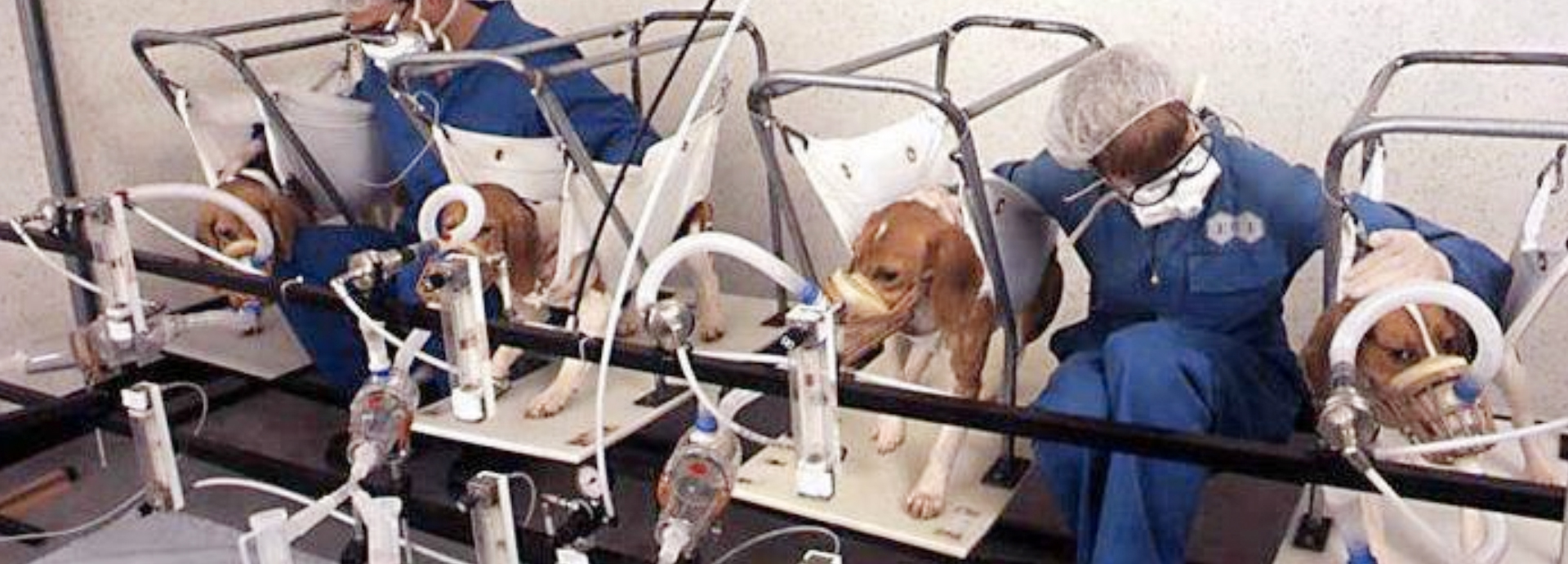
Prohibiting Painful Animal Experimentation
DraftingIt's 2026 And the Law Still Hasn't Changed.
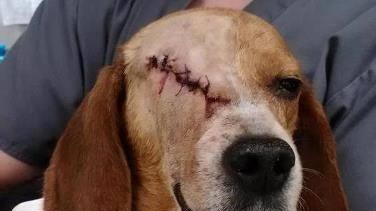
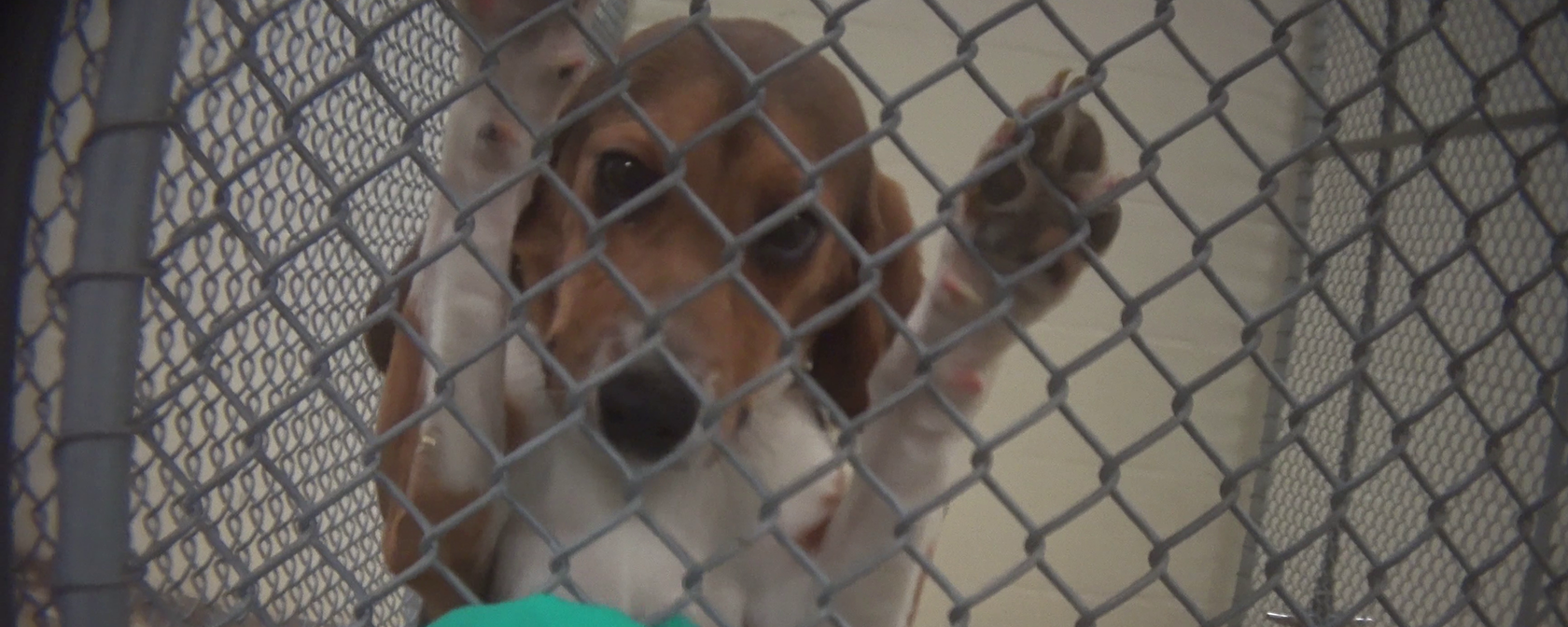
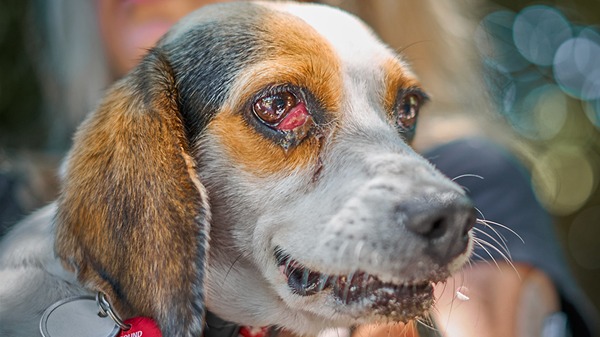
In April 2026, animal welfare organizations negotiated the release of 2,500 beagles from Ridglan Farms, a commercial breeding and testing facility in Wisconsin. These dogs were bred in warehouse conditions, never having walked on grass or known a name and were transported to rescue centers, given veterinary care, and slowly introduced to the experience of being loved.
It was a historic moment. And it revealed something uncomfortable: what happened to those beagles was entirely legal.
Not just in Wisconsin. In New York too.
The Loophole Nobody Talks About
New York has real animal cruelty laws. Torturing an animal is a misdemeanor. Aggravated cruelty is a felony. These protections matter.
But buried in the same statute is a sentence that quietly cancels them for research facilities:
"Nothing in this law shall be construed to prohibit or interfere with any properly conducted scientific tests, experiments or investigations... approved by the state commissioner of health."
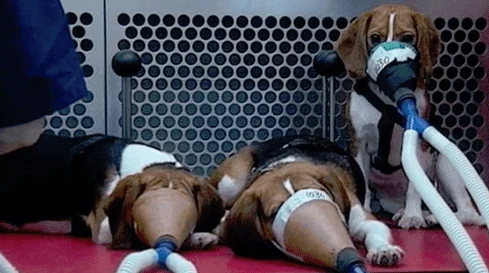
That one sentence means that as long as a laboratory holds state approval, it can legally force-feed animals toxic chemicals, implant experimental devices into their bodies, drill into their skulls, induce organ failure, or subject them to severe psychological distress--and none of it triggers New York's cruelty laws. The approval is the shield. The cruelty is the fine print.
We are asking New York State to close that loophole.
The Science Agrees
This is not just a moral argument. It is a scientific one.
Over 92% of drugs that pass animal trials fail in human clinical trials, often because animal models simply do not predict human responses accurately. Modern alternatives like organ-on-chip technology, computer modeling, and advanced cell cultures are increasingly providing faster, cheaper, and potentially more human-relevant approaches to research.
In December 2022, the federal FDA Modernization Act 2.0 removed the longstanding requirement that new drugs be tested on animals before human trials. The federal government has already acknowledged that animal testing is not always necessary. New York can now go further and not just by removing the mandate, but by removing the legal permission to subject animals to painful experimentation.
The Work Isn't Finished
Five hundred beagles remain inside Ridglan Farms, which continues to operate an on-site laboratory. Facilities like it exist because the demand for painful animal testing persists and because no law has yet told them they cannot subject animals to cruel procedures simply because those procedures have been approved for research.
And dogs are not the only animals affected. Cats, rabbits, ferrets, rodents, and many other animals can also be used in painful experiments and deserve protection from cruelty.
New York has already banned cosmetics testing on animals. It has required labs to offer research dogs for adoption when testing ends. The next step is clear: a direct, enforceable prohibition on painful experimentation on animals—one that finally strips away the legal cover that has protected these practices for decades.
The animals in these facilities cannot advocate for themselves in Albany. They cannot tell legislators what was done to them, or ask for it to stop. They can only wait.
Your signature tells Albany that New Yorkers are watching and that we demand change.
Support this bill
Add your signature to let legislators know New Yorkers care about this issue.